
Is cnlawblog Worth Reading for Legal and Business Research?
Searching for cnlawblog can feel confusing when you only want clear facts and reliable context. Many sites use similar names, making it hard to tell what a page actually covers or whether it applies to your situation.
Reading general online articles without checking the domain or source can lead to costly mistakes. You get far better results when you treat blog guides as a starting point and verify key details against official records.
What Is cnlawblog and What Topics Does It Cover?
cnlawblog is an online publication name associated with legal articles, business guides, and broader informational topics. Depending on the specific site and archive you visit, readers may find content on business structures, contracts, compliance, technology, finance, or everyday topics.
Think of cnlawblog as a place to learn basic vocabulary before digging deeper. A clear overview helps you spot the right questions to ask before you read dense statutes or speak with a licensed professional.
Why Does the Name cnlawblog Confuse First-Time Readers?
The letters “CN” often prompt people to assume a site covers only Chinese law. In practice, web pages under the cnlawblog umbrella span broader subjects and different regions.
Similar domain names and branding can also belong to separate publishers. Checking the full web address in your browser bar saves you from mixing up two unrelated websites.
How Does cnlawblog Differ from China Law Blog?
Readers frequently compare cnlawblog with China Law Blog, a well-known publication linked to Harris Sliwoski that focuses on China-related business and international legal issues. Those two names do not automatically mean the same organization runs both sites.
If your question centers on cross-border trade or operations in China, verify the exact publisher and author background first. Matching the right source to your jurisdiction keeps your research accurate.
Can You Rely on cnlawblog for Official Legal Advice?
No general blog article replaces personalized legal counsel or official government rules. Information found on cnlawblog serves educational research rather than formal representation.
Laws change frequently, and small facts can alter how a rule applies to you. Always hire a qualified lawyer when money, contracts, property, employment, or compliance are on the line.
How Can Readers Check Trust and Accuracy on Any Legal Blog?
Good research habits protect you whenever you read cnlawblog or any other online guide. Start by checking who wrote the piece and when it was published or updated.
- Confirm the exact domain name and check the About or editorial policy page.
- Identify the country, state, or regulatory body mentioned in the article.
- Look for citations to statutes, court rulings, or agency notices rather than vague claims.
- Watch for clear disclaimers that explain the limits of educational content.
How Should Students and Researchers Use cnlawblog?
Students and researchers often turn to cnlawblog to grasp unfamiliar terms before tackling heavier reading. Plain-language summaries make complex ideas easier to picture on day one.
Keep your academic or policy citations grounded in primary laws, official reports, and peer-reviewed work. Use blog posts as a map to find better sources, not as the final proof.
How Do Business Owners and Tech Teams Read Compliance Articles Safely?
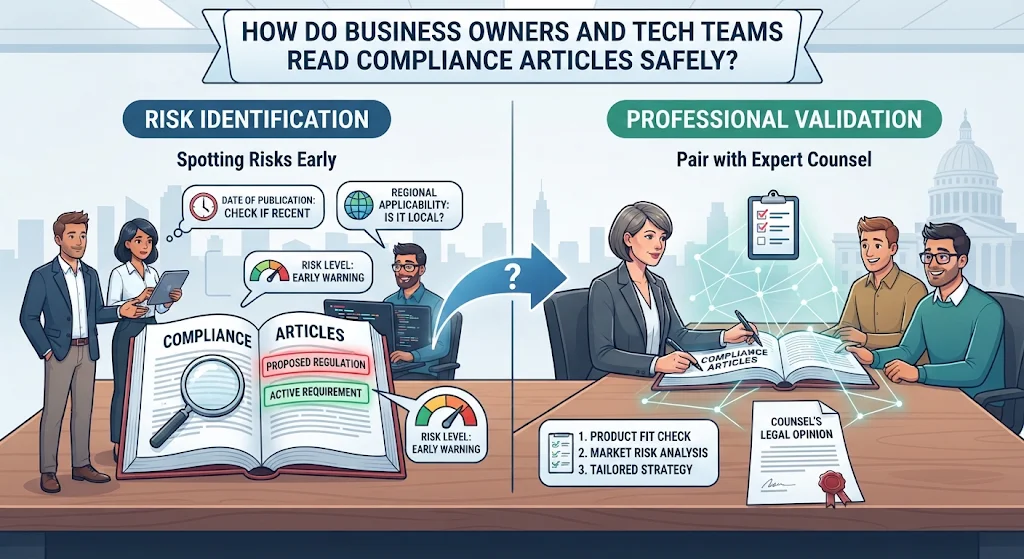
Founders, operators, and tech builders frequently search terms like cnlawblog when exploring contracts, data rules, or intellectual property. A quick explainer helps teams spot risks early during planning.
Check whether a requirement is merely proposed or already active in your region. Pair early reading with counsel familiar with your product, market, and risk tolerance.
How Can Publishers Structure Guides Around cnlawblog for Search and AI Answers?
Creators writing about cnlawblog win more clicks and AI citations when they answer real user questions directly. Clear headings, short paragraphs, and honest limits make your page easier for humans and search engines to trust.
Avoid fluff, hype, or copied filler that adds zero value to the reader. State what you verified, explain who the guide helps, and link to reliable primary references.
What Practical Steps Turn Research into Informed Action?
A disciplined workflow turns curiosity around cnlawblog into sound decisions. Small checks up front prevent expensive revisions later.
- Write down the exact question, location, and date tied to your issue.
- Read an overview on cnlawblog to learn key terms and common pitfalls.
- Cross-check the rule on an official government or legal database.
- Consult a licensed professional before signing contracts or acting on high-stakes rules.
Detailed Comparison Table for cnlawblog Research
| Research Stage | Main Goal | Primary Focus on cnlawblog | Verification Step | Best Next Action |
| Initial Discovery | Grasp core terms fast | Read plain-language topic overviews | Check exact domain and page date | List key questions to verify |
| Name & Scope Check | Avoid wrong site or region | Confirm coverage beyond name guesses | Compare against distinct publications | Match rules to your jurisdiction |
| Source Verification | Confirm legal accuracy | Spot cited laws, rules, or agencies | Open official statutes or portals | Check if rules are active |
| Academic Study | Build strong research notes | Map subtopics and vocabulary | Gather primary and scholarly texts | Cite authoritative sources |
| Business & Legal Action | Reduce practical risk | Review compliance or contract basics | Review disclaimers and context | Speak with a qualified lawyer |
Frequently Asked Questions
What is cnlawblog used for?
People use cnlawblog for introductory reading on legal topics, business concepts, and general informational subjects. It helps readers build background knowledge before checking official sources or hiring counsel.
Does cnlawblog only publish articles about Chinese law?
No, coverage associated with cnlawblog is not limited to Chinese law. Readers should check each article’s jurisdiction and details rather than guessing from the name.
Is cnlawblog a licensed law firm?
No, cnlawblog is not a law firm and does not give personalized legal advice. Treat its articles as educational background information, not formal legal counsel.
How can I tell if a cnlawblog article is up to date?
Check the publication or update date on the page and compare any rule mentioned against current official records. Laws and regulations change, so older posts can easily miss newer updates.
Can students cite cnlawblog in a research paper?
Students can use cnlawblog to understand concepts and brainstorm angles, but formal papers should cite primary laws, cases, and peer-reviewed sources. Always follow your course or institutional citation standards.
What should I do before making a legal or business decision?
Verify the exact rules in your jurisdiction using official sources and consult a qualified attorney in that area. A few extra minutes of verification protects you from avoidable mistakes.